

Composers and their eyesight.
Introduction
This is the first of a number of blogs detailing famous composers who habe eyesight problems but still battled on through adversity to produce magnificent and divine music that we can still enjoy today. The First is very well known, Johann Sebastian Bach. The second is lesser known but still non the less the creator of magical and serene compositions that are now becoming appreciated.
Johann Sebastian Bach
This great composer lived from 1685-1750 he married twice and had 20 children. One lesser known fact is that the only real physical problem he had was with his eyesight. If you ever have the chance to look at the Haussmann painting it is said that the face shows narrowing of the eyes believed to be evidence of Bach suffering from Myopia. Spectacles would have helped Bach, but they were not available at the time except as reading glasses.
Bach suffered quite badly in his old age having to have 2 operations on his eyes, the second of which left him blind. He was operated on by John Taylor a travelling surgeon. He never really recovered. He died from a stroke in 1750. We are blessed, however with a collection of divine music left by him that is still enjoyed today,.
His Musical style lives on today.
Johann Sebastian Bach and his music have been a source of great inspiration to many musicians throughout the centuries. He was a master of counterpoint and harmony, which are key to understanding his music. His compositions often feature complex use of harmonies and contrapuntal techniques, as well as intricate melodies that can be heard throughout various forms of music today.
He wrote music for many different instruments, including the organ and clavichord. His mastery of counterpoint and harmony combined with his use of these instruments created a sound that was revolutionary for its time. One of its most renowned works by Bach is The Well-Tempered Clavier, which consists of two collections of preludes and fugues in all 24 major and minor keys. This piece has been an important influence on instrumental music since its composition, inspiring numerous composers to incorporate the same techniques in their works.
Bach's influence can also be heard in jazz and popular music today. His contrapuntal techniques have been adapted by many musicians, including Miles Davis and Herbie Hancock. Jazz pianists also often use Bach's harmonic progressions to create their compositions, creating an original sound that pays homage to the composer.
Conclusion
In conclusion, Johann Sebastian Bach's influence on music is still felt today. His compositions are studied and performed all over the world, helping to inspire new generations of musicians and composers.
James Hook
"Born in Norwich the son of James Hook, a razor-grinder and cutler. He displayed a remarkable musical talent at an early age, playing the harpsichord by the age of four and performing concertos in public at age six. He began performing regularly by the time he was 10 years old, including benefit concerts. He held many jobs to earn money, including teaching, composing, transcribing music and tuning keyboard instruments."
He was married to Elizabeth Jane Madden his first wife until her death on the 18th of October 1805. He had 2 sons James and Theodore Edward. He remarried in November 1806 to his second wife Harriet Horncastle James.
Despite being an exceptional composer, Hook had one notable physical trait: he wore reading glasses due to poor vision. This interesting quirk of his did not stop him from writing some of the most beloved pieces of classical music. Hook's works remain a timeless testament to his skill as a composer and to the impact that vision impairment can have on creativity.
Hook penned some of the greatest music of his day, earning him a high level of recognition from fellow musicians. His works were featured in oratorios and concerts throughout England, Europe, and even the United States.
He wrote over 250 works, including operas, hymns, anthems, catches and glees. In 1775 he moved to London where he became an organist at the Chapel Royal of St. James's Palace in 1776, a post he held until his death.
On the 20th of March 1776 his only large vocal work The Ascension was performed at Covent garden.
He wrote 22 stage works including Sharp and flat (operatic farce) six sonatas for flute and cello. It is said however that his best works were Tekeli or the Seige of Montgatz and the life and adventure of Imre Thokoly written in 1806 after his marriage to his second wife.
He died in Boulogne in 1827.
Conclusion
Hook was largely forgotten after his death in 1827, but his music has since been rediscovered and appreciated. He is remembered today as one of the great British composers of the late eighteenth century. His works are still performed regularly and have become an important part of British classical music repertoire and he wore reading glasses.
Ciao for now!
Related Products
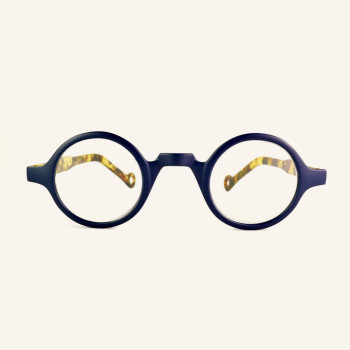
Marseille vintage round dark blue-tortoise K21
K-Eyes-Marseille-vintage-dark-blue-tortoiseK-Eyes Marseille vintage dark blue tortoise round reading..
£25.00 Ex Tax: £20.83
-black-front-350x350.jpg "Doubleice Panthera Black")
Doubleice Panthera Black
Doubleice Panthera Black Reading Glasses. Doubleice Panthera Black Reading Glasses. Introducing th..
£30.00 Ex Tax: £25.00
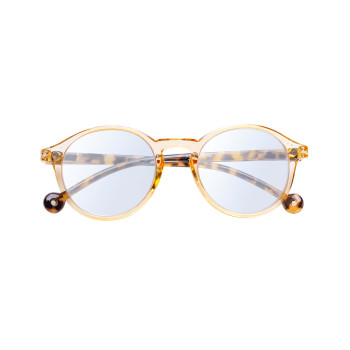
Volga Transparent Morocco blue light
Volga transparent morocco blue light reading glasses. Help save the planet with these eco friendly u..
£25.00 Ex Tax: £20.83