


Asteroid 2024 YR4 and the Risk of Impact in 2032: Should We Be Concerned?
Astronomers around the globe are closely monitoring an asteroid named 2024 YR4, which has been identified as having the highest impact risk of any known asteroid to date. The football pitch sized space rock has a 1-in-53 chance of striking Earth in 2032. While this might sound alarming at first glance, what does this figure really imply? And do we need to start preparing for a potential impact?
Tracking 2024 YR4
Astronomers continuously observe thousands of asteroids as they travel through our solar system. Their findings are collected and analyzed at the Minor Planet Center, helping calculate the chances of any near-Earth object impacting our planet. The risk assessment for asteroids like 2024 YR4 includes data that’s frequently updated as more observations are made.
Kelly Fast, acting planetary defense officer for NASA's Planetary Defense Coordination Office, suggests taking a cautious yet measured approach. She emphasizes that while the elevated risk is being taken seriously, the probability of 2024 YR4 hitting Earth remains low.
"The worldwide community is watching this and taking notice that it's reached this threshold," explains Fast. "We do take it seriously, but we want to put it in perspective ... There's still a very low probability that it would even impact the Earth at all."
How Big Is 2024 YR4 and What Damage Could It Cause?
Asteroid 2024 YR4 is not large enough to qualify as a "dinosaur killer," the kind of asteroid believed to cause the extinction of the dinosaurs. However, it is significant enough to cause localized damage, especially if it impacts a densely populated area. If it were to explode in the air above a city, the blast could shatter windows over a wide radius.
To assess such destructive potential, scientists rely on the Torino Scale. This scale ranks asteroids’ risk level from 0 to 10, with 10 representing an impact capable of causing global devastation. The Center for Near-Earth Object Studies (CNEOS) currently rates 2024 YR4 at a 3 on the scale—an unusual level of concern rarely assigned to asteroids.
Understanding the Asteroid’s Size
Determining the size of an asteroid like 2024 YR4 is no straightforward task. Astronomers measure the asteroid’s brightness to estimate its size. Brightness serves as a helpful yardstick, but it doesn’t give a precise measurement since the reflectiveness—or albedo—of the asteroid’s surface can vary. This means researchers must calculate upper and lower limits for its size to form a reasonably accurate estimate.
Anne Virkki, a research fellow at the University of Helsinki, notes, "You can estimate the size based on the brightness observed without knowing precisely how reflective it is ... but there is still some constraint to how reflective asteroids are in general."
Virkki, who previously worked with a radar team tracking near-Earth objects at the Arecibo Observatory in Puerto Rico, adds that having accurate estimates of an asteroid's size and trajectory is critical to assessing potential risk and planning possible mitigation strategies.
What’s Next?
While the possibility of impact exists and scientists will continue monitoring 2024 YR4 closely, it’s critical to maintain perspective. Earth has faced similar risks before, as seen with Apophis, and advancements in tracking capabilities and technology have significantly improved our ability to predict and respond to these natural phenomena.
Ensuring global preparedness is a priority for NASA and other international space agencies. Their monitoring efforts, combined with tools like the Torino Scale, help demystify such space threats and inform potential action plans if necessary.
For now, while 2024 YR4 deserves our attention and ongoing research, there’s no need to panic. Instead, it’s another reminder of how far we’ve come in understanding and safeguarding our planet from potential cosmic risks.
If you are reading this blog you may need a pair of reading glasses so head over to Funky Readers and buy a pair of their out of this world collection,
Related Products
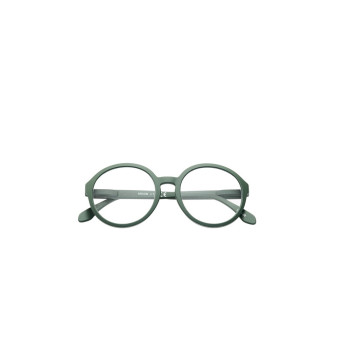
Doubleice Moon green
Doubleice Moon Green Reading Glasses: Italian Design & Stylish ComfortReimagine your r..
£27.00 Ex Tax: £22.50
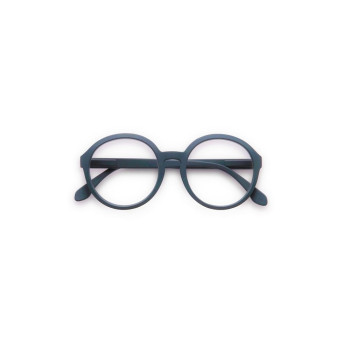
Doubleice Moon Blu
Doubleice Moon Blu Reading Glasses: Italian Design & Stylish ComfortReimagine your reading expe..
£27.00 Ex Tax: £22.50
-350x350.png "I Need You Stella Tortoise Orange")
I Need You Stella Tortoise Orange
Stella Tortoise Orange Geometric Reading GlassesMake a Bold Statement with StellaStella Tortoise Ora..
£18.50 Ex Tax: £15.42
-350x350.png "I Need You Stella Blue")
I Need You Stella Blue
Stella Blue Geometric Reading GlassesMake a Bold Statement with StellaStella Blue Geometric Reading ..
£18.50 Ex Tax: £15.42